
Boxes, bags, and beyond: the forces reshaping e-commerce packaging
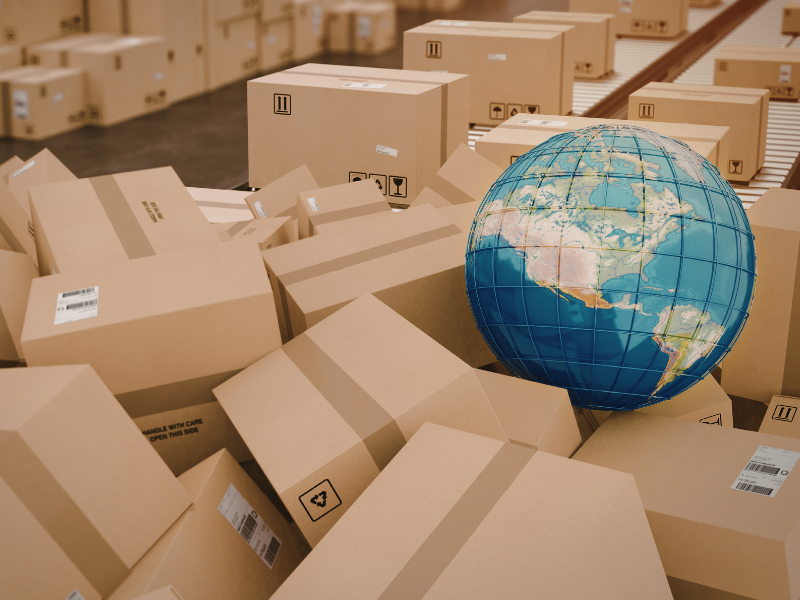
As online commerce spreads from established markets into new regions, and as sustainability regulations tighten, the global e-commerce packaging industry is undergoing a fundamental transformation in both material and form.
In this episode of Smithers Insights Podcast Dr Windsor Holden joins host Adam Page, VP of Reports at Smithers, to discuss the trends, technologies, and regulatory shifts driving the global e-commerce packaging market. The full conversation is available to listen to below.
E-commerce has seen dramatic growth over the past several years; the catalyst, as analyst Dr Holden explains, was the seismic shift in shopping behaviour triggered by Covid-19. This accelerated the transition from physical to online retail at a pace few had anticipated. The shift was compounded by rising consumer adoption of smartphones, which have become the primary commerce device for a growing proportion of the global population.
“People are buying far more on smartphones than they ever did via desktop devices,” notes Dr Holden, pointing to markets not just in Europe and North America, but increasingly across Southeast Asia, South America, China, and parts of sub-Saharan Africa.
The markets driving growth
In raw percentage terms, the fastest growth over the coming years will be the more nascent markets: South and Central America, the Middle East, and Africa. In South America, Brazil is well ahead of the competition, but markets such as Chile and Argentina are beginning to show significant upticks. In the Middle East and Africa, two distinct forces are at work: digital inclusion initiatives and a burgeoning youth demographic, both underpinned by rapid advancements in payments infrastructure and logistics capability.
The greatest net increase in absolute market value will continue to come from China and the US, the two largest e-commerce markets, followed by Brazil and Japan. Overall the global market is projected to grow at an average annual rate of 4.8% between 2026 and 2031.
Leading end-use sectors
When it comes to end-use applications, grocery and food e-commerce is one of the fastest-growing categories by transaction volume. But from a packaging value perspective, it is clothing, footwear, and accessories that remain dominant.
Currently accounting for around 28.5% of total e-commerce packaging value, the fashion and accessories segment is forecast to grow at a CAGR of 6.3% between 2026 and 2031, reaching a 31.1% share of the overall market. The driver is cultural as much as commercial: rapid fashion cycles, heavily influenced by social media and influencer culture, are encouraging consumers to buy more frequently and to spend more on individual items.
Currently accounting for around 28.5% of total e-commerce packaging value, the fashion and accessories segment is forecast to grow at a CAGR of 6.3% between 2026 and 2031, reaching a 31.1% share of the overall market. The driver is cultural as much as commercial: rapid fashion cycles, heavily influenced by social media and influencer culture, are encouraging consumers to buy more frequently and to spend more on individual items.
Holden points to the role of social media and influencer culture in driving fashion purchasing behaviour. “This huge social purchasing phenomenon is driving both larger and more expensive clothing purchases, but also more frequent purchases, as people keep up with new styles.”
The material shift: gains in flexible packaging
Corrugated faces a slow but measurable erosion of its market position. It accounted for nearly 80% of e-commerce packaging value in 2025 – a commanding share that will slip to 77.1% by 2031, as right-sizing and efficiency pressures reduce shipment volumes and displace traditional box formats.
Flexible packaging stands to gain the most from this shift over the forecast period. Mailers, pouches, and poly bags offer greater efficiency in packing and shipping, reduce material use, and are increasingly meeting sustainability targets that corrugated cannot always match for certain product categories.
Regulation accelerates innovation
The EU’s Packaging and Packaging Waste Regulation, which came into force in early 2025, moves beyond recycling requirements to mandatory reuse and refill systems for specific e-commerce and packaging segments.
These pressures are pushing the industry toward flexible packaging, right-sizing strategies, and Ships in Own Container (SIOC) models. What was once an optional commitment to sustainability has become a standard operational requirement for major retailers and direct-to-consumer brands alike.
The market is also undergoing significant consolidation. Major players are pursuing large-scale mergers and acquisitions to increase capacity; while other businesses are actively seeking local packaging suppliers to reduce their carbon footprint and improve supply chain resilience.
Together, these demographic, technological, regulatory, and commercial forces are converging to make e-commerce packaging one of the more dynamic corners of the broader packaging industry over the coming decade.
Together, these demographic, technological, regulatory, and commercial forces are converging to make e-commerce packaging one of the more dynamic corners of the broader packaging industry over the coming decade.
About the analyst
Dr Windsor Holden is one of the foremost authorities on digital commerce and payments, with over 25 years of experience advising leading research firms, industry bodies, and global organisations. A sought-after speaker at major international conferences, he is the author of Smithers’ latest study The Future of E-commerce Packaging to 2031.
Listen to the conversation in full: