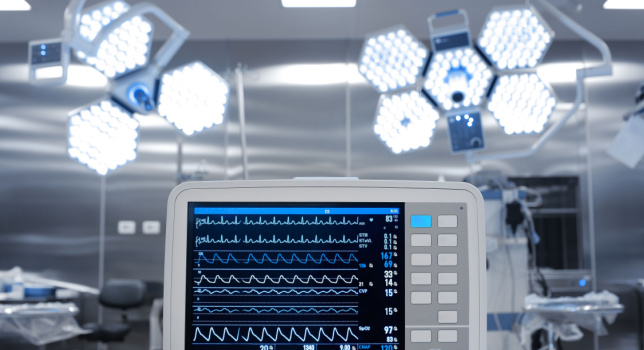
The medical device sector operates under some of the most stringent regulatory demands of any industry. Manufacturers must consistently prove their products are safe, reliable, and effective before they ever reach a patient. Achieving ISO 13485 certification provides the exact framework necessary to meet these strict requirements and build a foundation of absolute quality.
Understanding this standard is essential for any organization involved in the design, production, installation, or servicing of medical devices. Navigating the regulatory landscape requires a clear, actionable approach rather than simply viewing compliance as a burdensome administrative task. A well-implemented quality management system acts as a strategic asset that streamlines operations and minimizes critical risks.
This article will explain the core concepts behind ISO 13485 certification in plain English. Readers will understand the substantial implications for manufacturers and end-users, discover the precise practical steps required to achieve compliance, and find clear answers to the most frequently asked questions regarding the certification process.
What Is ISO 13485 Certification?
At its core, ISO 13485 is an internationally recognized standard that outlines the requirements for a quality management system (QMS) specifically tailored to the medical device industry. In plain English, ISO 13485 certification is a formal system that proves a company can consistently build a safe and reliable medical device.
Many organizations mistakenly view this standard as a mere paperwork exercise or a bureaucratic checklist. In reality, the certification focuses on control, traceability, and concrete evidence. It requires organizations to define exactly how they work, follow those procedures consistently, keep accurate records of their actions, and continuously fix issues as they arise.
Documentation is simply the natural output of a system that is functioning properly. Auditors reviewing a company for ISO 13485 certification want to see how the system operates in reality. They look for direct connections between how a product was designed, what risks were evaluated, how it was tested, and who approved the final changes. This end-to-end traceability demonstrates that a manufacturer is in complete control of its production environment.
Why Is ISO 13485 Certification Important?
ISO 13485 certification carries profound implications across the entire healthcare ecosystem, affecting everyone from the engineers designing the devices to the patients relying on them.
Implications for manufacturers
For medical device companies, holding this certification is often a fundamental requirement for market entry. It acts as a passport to global markets, simplifying regulatory approval pathways for CE marking in Europe, FDA clearance in the United States, and market access across the Asia-Pacific region. Operationally, the standard drives process discipline. By implementing standardized, repeatable processes, manufacturers reduce errors, limit rework, minimize waste, and optimize their overall costs.
Implications for users and patients
The ultimate goal of any medical device is to improve or save lives. ISO 13485 certification embeds risk management into every single phase of the product lifecycle. This rigorous attention to potential hazards translates directly to improved product reliability. Consequently, the likelihood of product failures and dangerous recalls drops significantly, ensuring a higher standard of patient safety.
Implications for regulators
Regulatory bodies rely on ISO 13485 to establish a baseline of trust. Because the standard aligns closely with applicable legal and regulatory requirements, it provides authorities with confidence that a manufacturer adheres to globally accepted best practices. This alignment makes inspections and audits smoother, as the manufacturer already operates under a framework recognized by the regulatory community.
Where Should Organizations Begin to Achieve ISO 13485 Certification?
Achieving ISO 13485 certification requires a structured, proactive approach to quality management. Organizations must implement several practical steps to align their operations with the standard's rigorous demands.
Develop a documented quality management system
The first step is establishing a QMS specifically tailored for medical device design, manufacturing, and service. This involves defining all operational procedures, work instructions, and necessary forms. Companies often utilize electronic Quality Management Software (eQMS) to automate document control, training management, and audit tracking.
Integrate comprehensive risk management
Manufacturers must implement risk management processes across the entire lifecycle of the product. This starts during the initial design phase and extends through post-market surveillance. Teams must identify potential hazards, assess the associated risks, and implement robust mitigation strategies to control them.
Implement work environment controls
Depending on the specific medical device being produced, manufacturers must establish and maintain strict environmental controls. This often includes managing cleanrooms and sterile environments to prevent contamination and ensure the product remains safe for medical use.
Establish supplier qualification and oversight
Quality cannot be guaranteed if the raw materials or components are flawed. Organizations must develop strict processes for qualifying their suppliers. This requires conducting regular audits and continuously monitoring supplier performance to ensure they meet the necessary quality and compliance benchmarks.
Enforce post-market surveillance
The responsibility of a manufacturer does not end once the device is sold. Companies must set up robust systems to monitor their devices after they enter the market. This involves collecting customer feedback, tracking performance data, and taking immediate corrective and preventive actions (CAPA) if any issues are detected.
Common Questions About ISO 13485 Certification
How does ISO 13485 differ from ISO 9001?
While both belong to the broader ISO 9000 family, they serve different purposes. ISO 9001 is a general quality management standard applicable to any industry. ISO 13485 is specifically designed for medical devices. It incorporates additional, strict requirements regarding regulatory compliance, specialized risk management, and process validation unique to the healthcare sector.
When should a medical device startup pursue certification?
Startups do not need a fully certified QMS during the initial brainstorming or early prototyping phases. However, they should actively implement the foundational elements of ISO 13485 certification before beginning clinical validation, submitting for regulatory approval, or delivering products to their first customers. Starting early integrates quality into the company culture and prevents the need to rebuild systems under regulatory pressure.
Does the certification guarantee regulatory approval?
ISO 13485 certification does not automatically grant a CE mark or FDA clearance. It does, however, provide the essential quality management framework that these regulatory bodies expect. Having the certification significantly streamlines the regulatory submission process and demonstrates a clear commitment to safety and efficacy.
Start Your ISO 13485 Certification Journey with Smithers
ISO 13485 certification is an indispensable framework that ensures medical device manufacturers consistently produce safe, effective, and reliable products. By focusing on stringent risk management, detailed traceability, and continuous operational control, the standard protects patients while simultaneously driving business efficiency. Organizations that view this certification as a core operational strategy—rather than a mere regulatory hurdle—position themselves for sustainable success, global market access, and long-term credibility within the highly regulated healthcare industry.
To learn more about how our solutions can support your compliance and operational goals contact us, or request a quote today.